Creative Strategy and Arts Program Design
Creative strategy and arts program design help cultural organizations, schools, museums, nonprofits, and communities turn complex challenges into imaginative, workable solutions.
Based in Tennessee, Cherri Coleman works with organizations locally and beyond to move ambitious ideas from possibility to implementation.
Visionary. Strategic. Community-Centered.
Your nonprofit has never questioned whether its mission mattered. Only whether there would be enough of you left to keep carrying it.
The vision is still there—somewhere beneath the pile of grant deadlines, board meeting agendas, fundraising, reports, budgets, and the exhausting work of keeping the doors open.
Strong missions rarely struggle because they lack management.
They struggle under the sheer administrative weight of it.
The very structures created to sustain your mission can gradually separate you from carrying out the mission itself—and engaging with the people you exist to serve.
Creative Strategy can bring the work of sustaining the mission back together with the work of fulfilling it.
It’s Literally Rocket Science
Creative Strategy is not arts advocacy.
There is a reason some of the world's most analytical institutions bring artists and creative strategists into the room when the problems become exceptionally complex:
NASA’s Jet Propulsion Laboratory pairs artists with engineers.
CERN invites artists to collaborate with physicists.
Forward-thinking cities place artists inside government agencies to approach complex civic problems differently.
Creative Strategy applies that same fundamental principle: complex problems often become solvable when they are examined through more than one way of thinking.
It uncovers overlooked opportunities and resources, creates new connections, and designs systems that build public participation, support, and value.
Because complex problems deserve creative solutions.
From Burden to Momentum
Through thoughtfully designed public programs and strategic initiatives, Creative Strategy can:
reveal overlooked resources as defining strengths
create meaningful entry points to participation
turn audiences into participants
develop volunteers into leaders
build partnerships around shared purpose
create something people choose to enter, strengthen, and protect
Transforming the daily burden of sustaining a mission into shared, community-driven momentum.
How it Works js-hero-timeline
-

Design Thinking
Reframes complex challenges around the people you serve—revealing overlooked opportunities, uncovering hidden assets, and rapidly testing ideas before investing significant time and resources.
-
Systems Thinking
Connects people, programs, partnerships, funding, and community into a stronger whole—so one thoughtfully designed initiative advances many organizational priorities simultaneously.
-
Experiential Arts Program Design
Transforms ideas into experiences people remember, participate in, and carry forward—turning audiences into participants and participants into invested advocates.
-
MBTI®-Based Change Leadership
Aligns teams around their natural strengths—helping boards, staff, volunteers, and stakeholders understand one another, navigate resistance, and work together through change.

-
“…truly unique integrated discovery experiences.”
— Tennessee Armillary Sphere Sundial Teacher’s Guide, Tennessee Arts Commission
Creative Strategy and Arts Program Design in Action
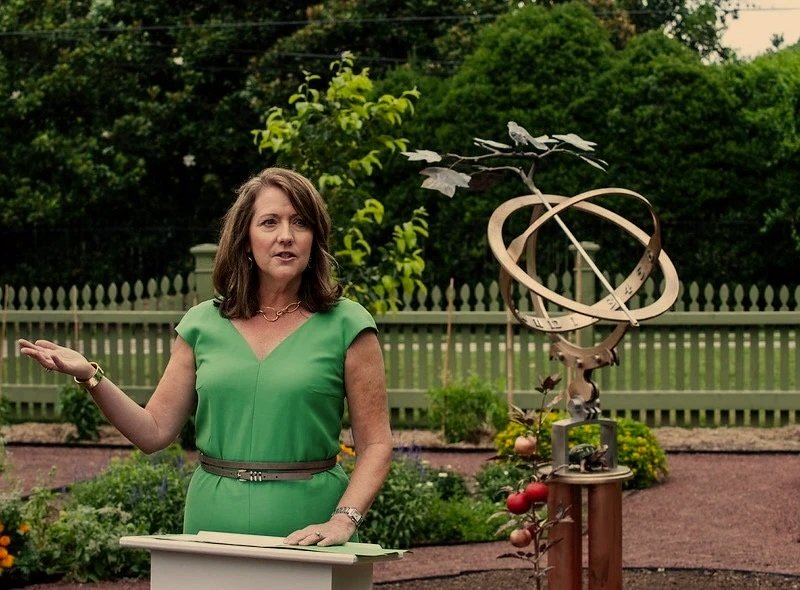
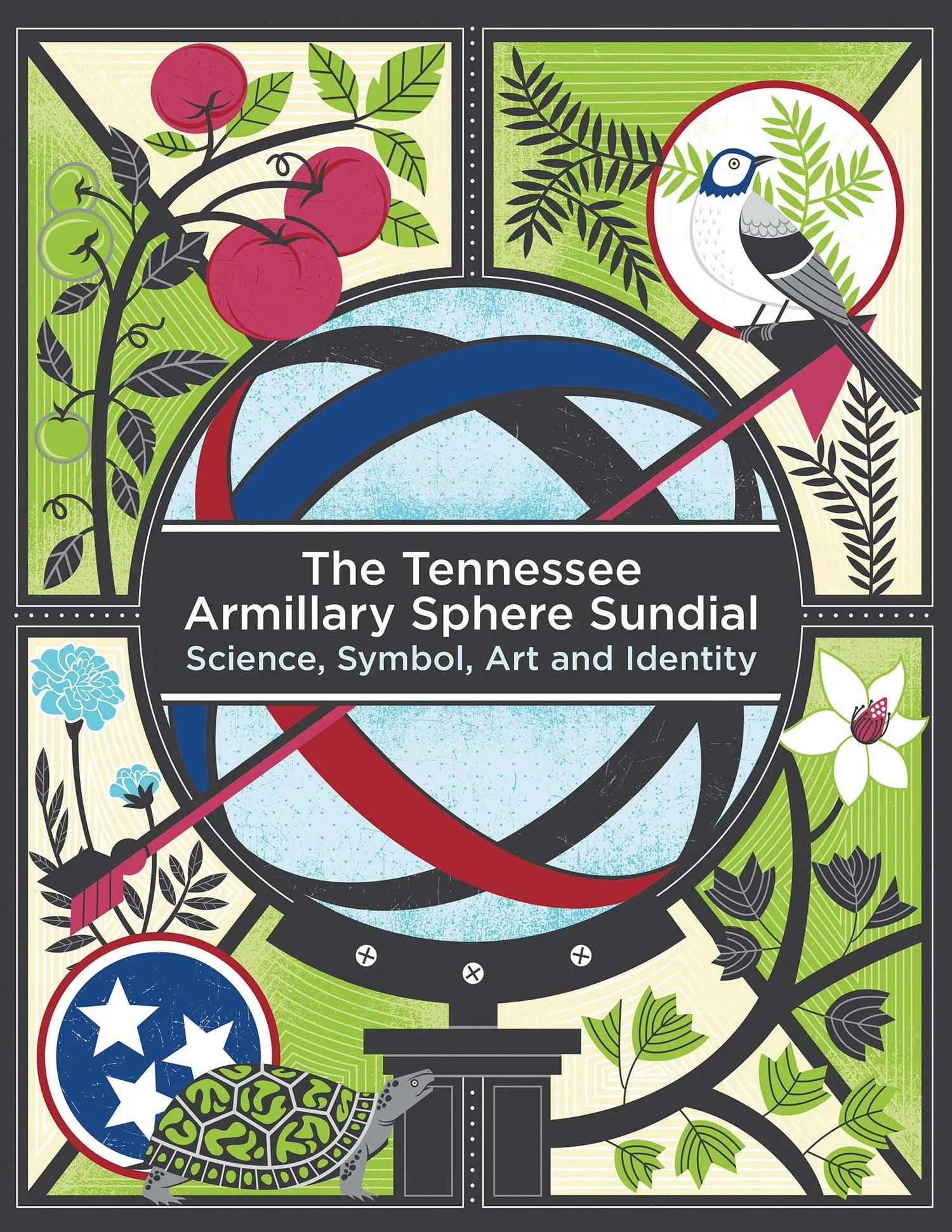
Former Tennessee First Lady Crissy Haslam with the Armillary Sphere at the Tennessee Governor’s Residence.
Executive Initiative
When Tennessee’s First Lady Crissy Haslam and the Tennessee Arts Commission needed to translate the scientific, historical, and artistic dimensions of the Executive Residence’s new sculpture into a scalable public asset, they didn’t simply send out a press release.
They commissioned a living framework.
To meet that challenge, I co-authored the official Armillary Sphere Sundial Teacher’s Guide, designing an interdisciplinary framework that transformed a static bronze monument into a multi-sensory educational resource for thousands of students statewide.
By connecting Tennessee history, mathematical concepts, artistic metalworking, science, and cultural identity, one civic installation became a platform for learning, participation, and sustained public engagement.
One challenge. Multiple disciplines. One integrated solution.
Celebrating Our Roots®
12 Teenagers. One Historic Site. Measurable Change.
Historic places survive when a new generation discovers that the history belongs to them, too.
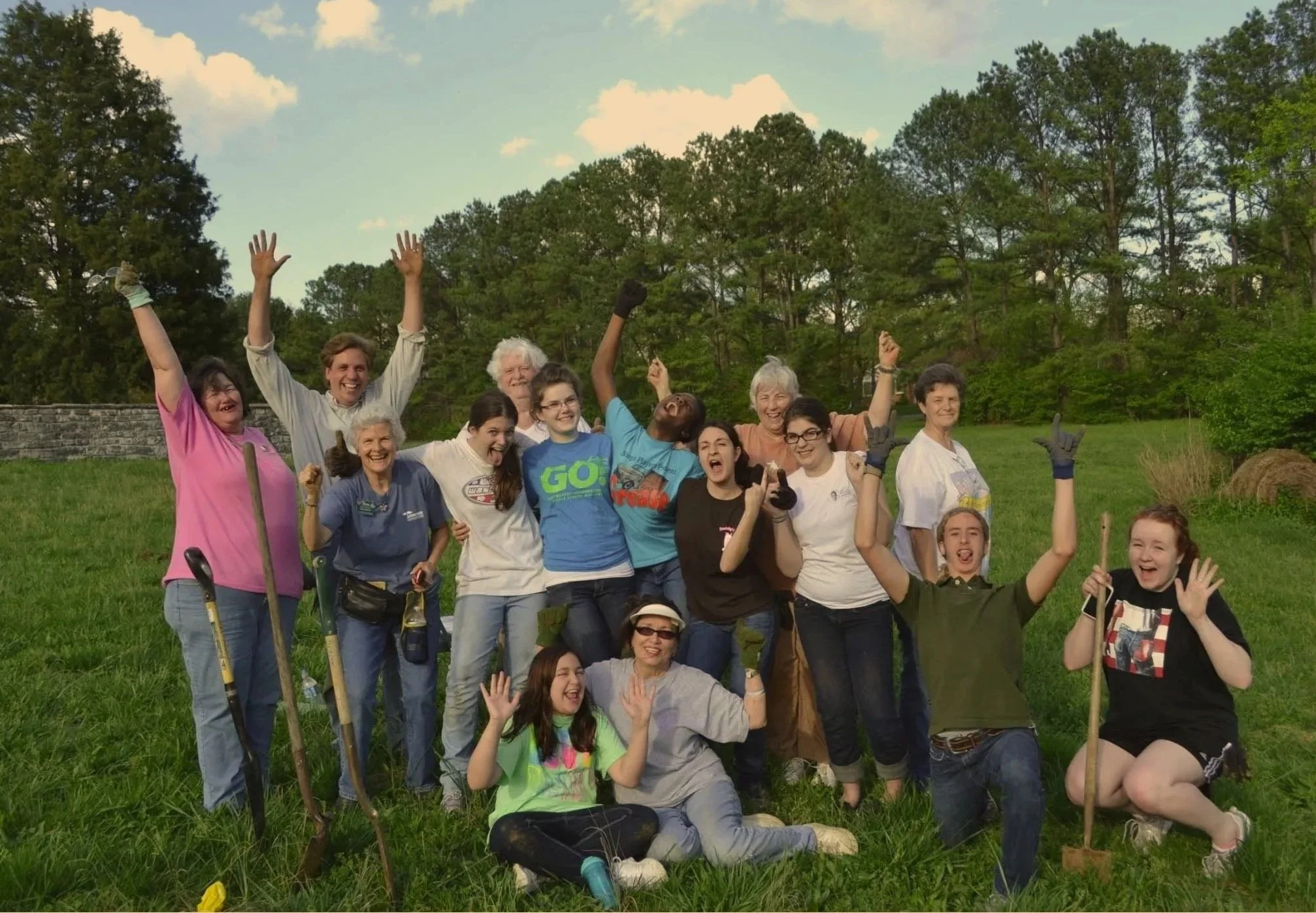
At Historic Rock Castle, twelve teenagers became researchers, interpreters, educators, and community ambassadors—using the history and stories of the site to create new ways for schools, visitors, and the wider community to encounter and participate in its preservation.
The goal was not simply to teach history.
It was to turn cultural inheritance into active stewardship.
What followed reached far beyond the original project.
First-Year Impact
Community Engagement & Learning
1,862 total students benefited
1,710 elementary students reached through student-led education
+252 increase in overall site visitation
+65 increase in active volunteer participation
Partnerships & Visibility
5 new museum partnerships established
4 specialist volunteers joined the project
3 newspaper articles and 1 television appearance secured
3 policymakers visited the site
Environmental Restoration
4,500 sq. ft. of woodland cleared for native wildflowers
150 yards of accessible trail developed
32 tree species identified
12 heirloom fruit trees planted
One thoughtfully designed initiative...
strengthened volunteerism
expanded educational reach
increased public participation
attracted media attention
developed community partnerships
improved accessibility
inspired environmental stewardship
transformed twelve students into community leaders
One project. Multiple priorities advanced.
A mission carried farther because more people found a meaningful place within it.
Discovery & Strategic
Planning
Find the right problem before investing in the wrong solution. Using Design Thinking and Systems Thinking, we examine the people, needs, assets, relationships, and constraints surrounding the challenge—then identify where the greatest opportunities for change may lie.
Ways We Can Work Together
Begin where you are.
Each stage can stand alone or become part of a larger engagement, depending on what has already been accomplished and what the work requires.
Creative
Development
Turn possibility into direction. Ideas are explored, connected, tested, and refined through interdisciplinary thinking, stakeholder collaboration, and creative problem-solving until a strong concept and workable path begin to emerge.
Program Implementation
& Change
Move from design into the real world. Implementation planning, partnership development, MBTI®-guided collaboration and change leadership help organizations launch an initiative, train the people who will carry it forward, and provide hands-on implementation and support until the program can operate successfully on its own.
Program & Experience
Design
Build the idea into something people can actually enter and use. This may include arts program design, arts education professional development, curriculum and experience design, community engagement strategies, interdisciplinary initiatives, and prototypes tailored to the organization and the people it serves.
Your Questions Answered
-
The goal is not simply to produce recommendations. Creative Strategy is collaborative and designed to move from insight into action—from identifying the real challenge to developing, testing, and implementing a response that works within the organization and the community it serves.
-
Projects are especially well suited to moments when an organization has a strong mission or promising idea but needs a clearer way forward—whether the challenge involves public engagement, educational programming, community participation, volunteer development, interdisciplinary collaboration, or bringing an ambitious new initiative to life.
-
Creative Strategy projects may be supported through an organization’s existing program or planning budget, incorporated into a larger funded initiative, or developed around an appropriate grant opportunity.
As a Tennessee Arts Commission Roster Artist, I am eligible to work within a broad range of grant-funded arts initiatives. Depending on the project and organization, funding opportunities may support arts education, community engagement, creative placemaking, cultural development, rural initiatives, access, and other arts-based work.
Funding can also become part of the strategy. When appropriate, the design process can identify where an organization’s goals intersect with available funding, community priorities, partnerships, and existing resources—then build a project strong enough to bring those pieces together.
-
No. In fact, defining the right problem may be part of the work. Some organizations arrive with an initiative that needs structure; others have a persistent challenge, an underused resource, or an opportunity they know could become more. The process is designed to uncover the connections, assets, and possibilities that can lead to a stronger solution.
-
Every engagement is shaped by the challenge. The work may include strategic visioning, research and discovery, program design, stakeholder collaboration, prototyping, curriculum or experience design, implementation, staff training, and support as an initiative moves into the world. The scope is established collaboratively at the beginning so that the process remains ambitious, practical, and clear.
Start the conversation
Strong missions deserve more than hope and good intentions.
They deserve thoughtful design.
Design that strengthens not one priority—
but everything, and everyone, it touches.