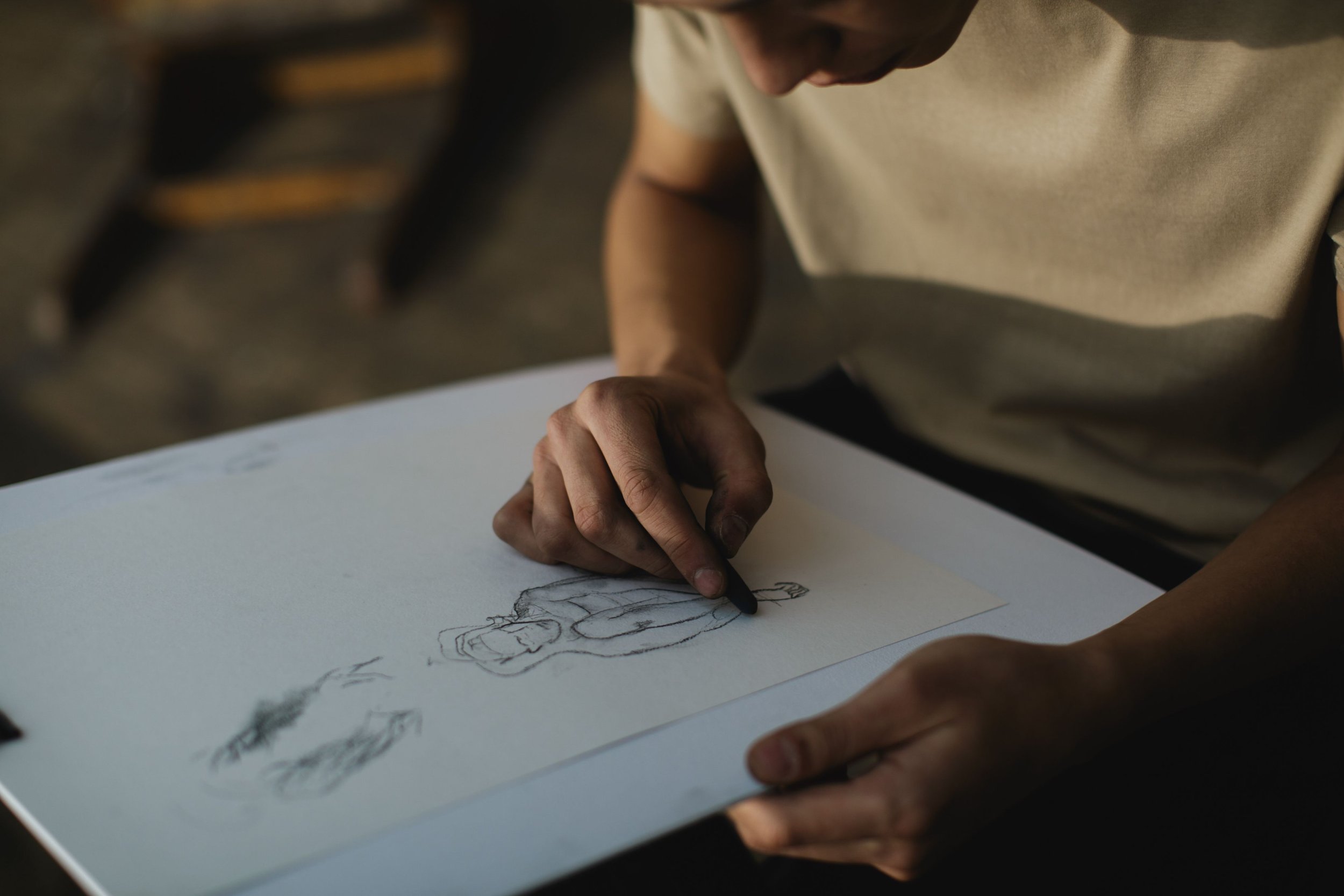
Interdisciplinary Art Education Residencies
Interdisciplinary arts education residencies bring curriculum to life through immersive experiences that connect the arts with science, history, literature, mathematics, culture, and more.
Designed collaboratively for schools, museums, and cultural organizations throughout Tennessee and beyond, each residency transforms existing learning goals into something students can explore, create, question, and experience for themselves.
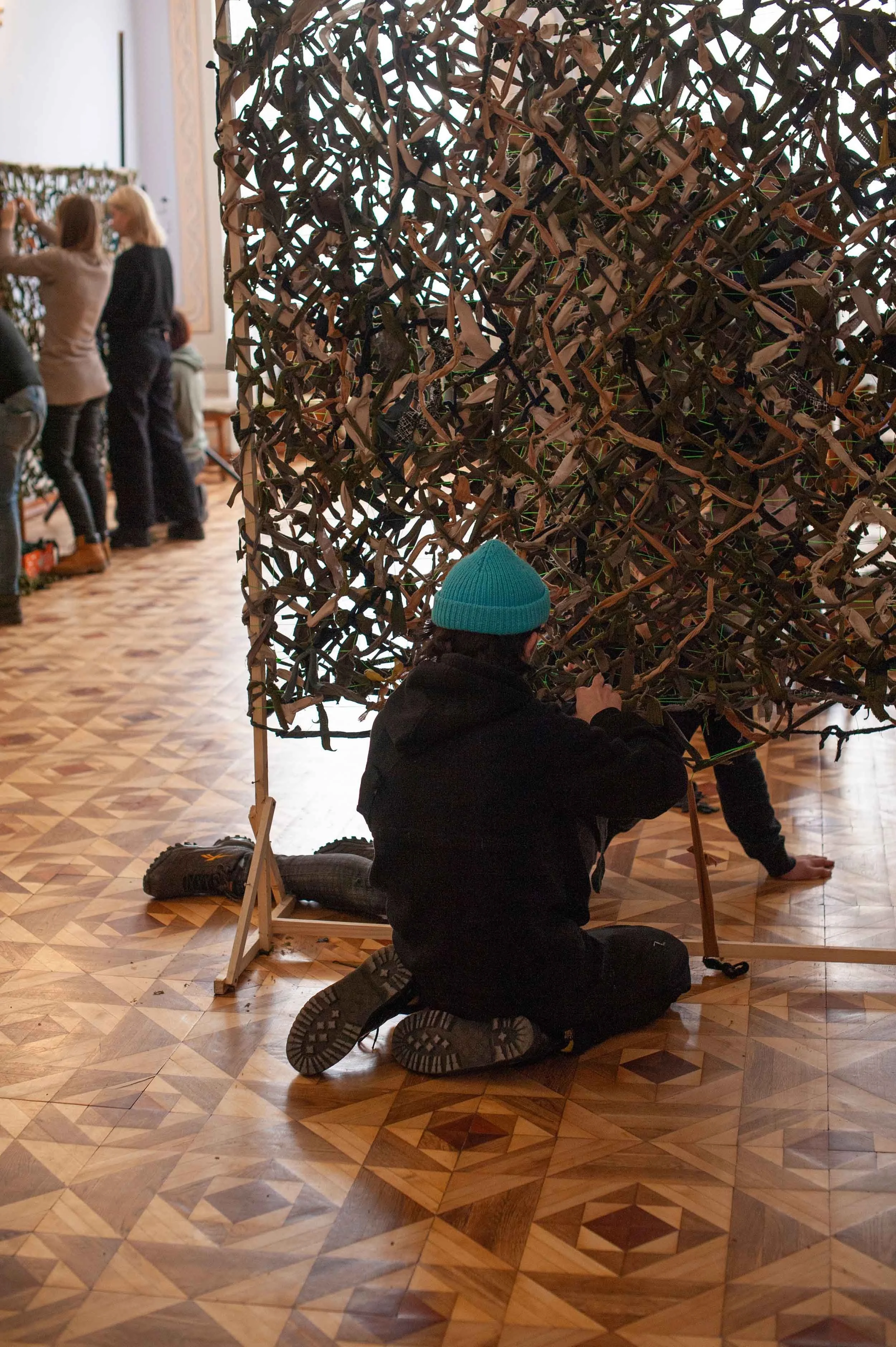
Immersive. Integrated. Impactful.
Every school contains extraordinary potential. The challenge is rarely the students. Or the teachers.
It is finding the time, space, and freedom for the kind of learning everyone entered education hoping to create.
Exploring.
Building.
Questioning.
Imagining.
Moving.
Making.
Telling stories.
Connecting ideas.
Interdisciplinary residencies can help you reconnect learning with the way human beings naturally come to understand the world.
Not by abandoning academic rigor—but by enlivening it.
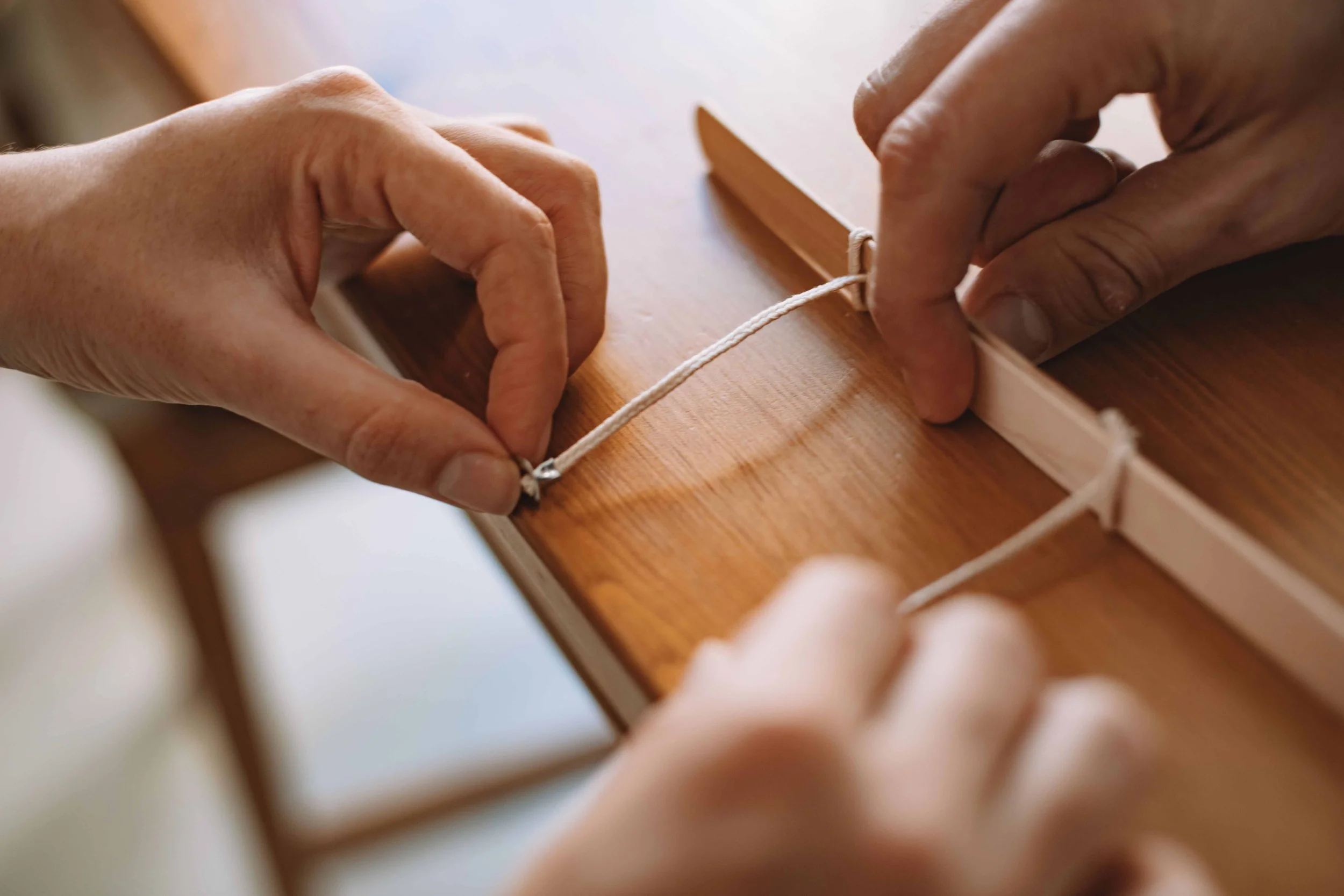
Beyond Arts Integration
The arts are not just enrichment. They are among humanity's oldest ways of observing, questioning, remembering, communicating, and making meaning.
When thoughtfully integrated with science, history, mathematics, literature, engineering, and culture, they become something larger than a collection of subjects. They become an architecture for learning.
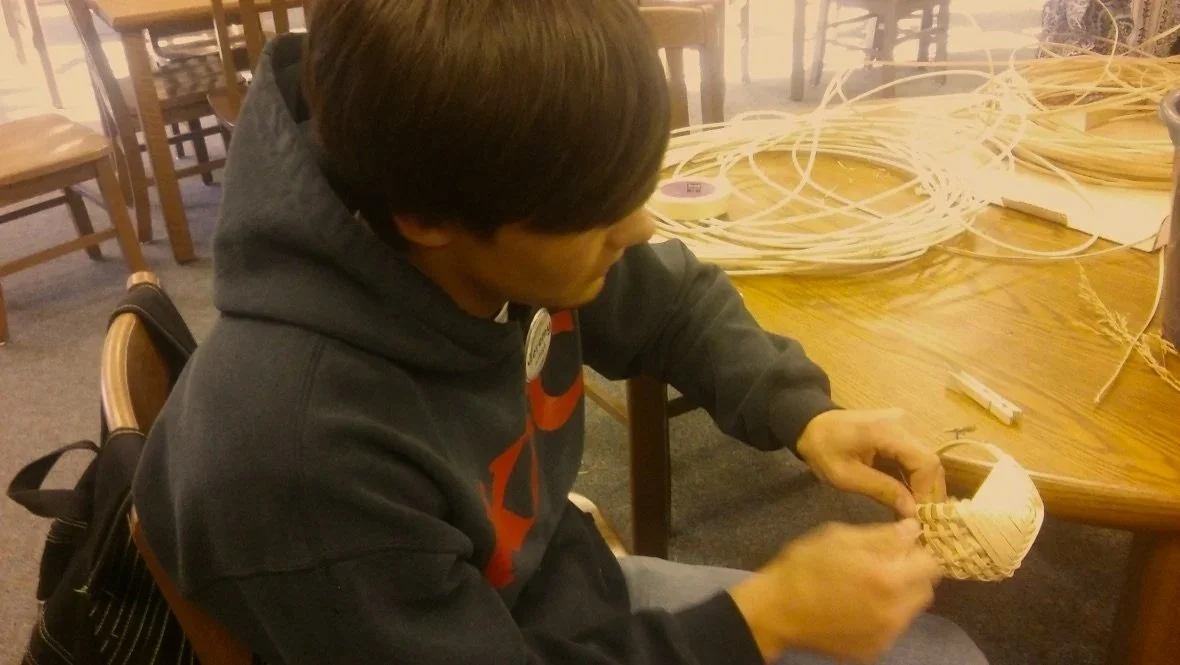
A simple basket opens conversations about geometry, engineering, ecology, anthropology, storytelling, and design.
A frontier cabin becomes physics, chemistry, history, economics, and human resilience.
An armillary sphere becomes astronomy, mythology, identity, and exploring our place in time.
Students are no longer disengaged from the standards –
they are inspired and applying them.
The Residency Approach js-hero-timeline
-
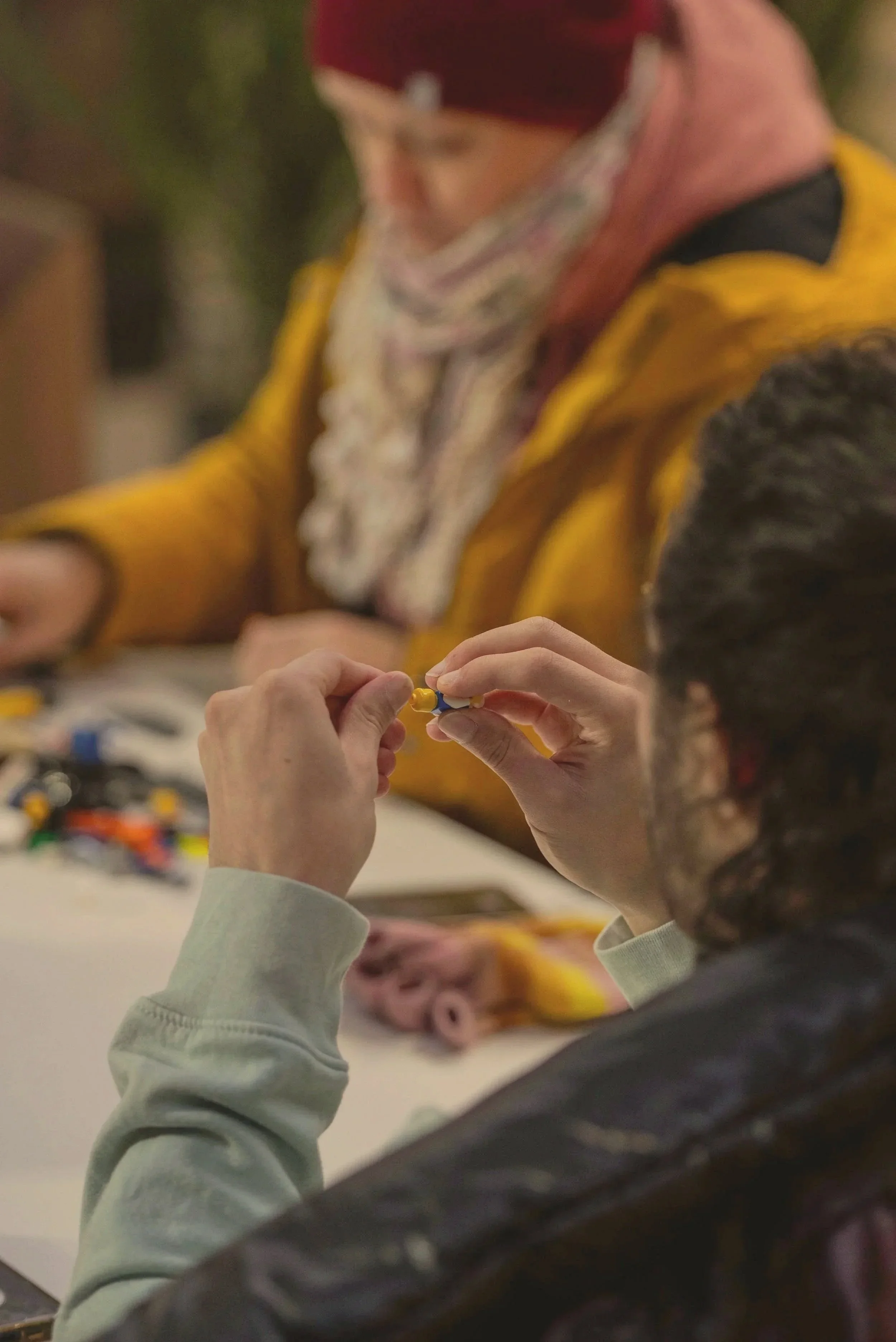
Learning Is Thoughtfully Designed
Every residency is thoughtfully designed using Kolb’s principles of experiential learning and the immersive traditions of the theatre:
authentic experience
meaningful inquiry
thoughtful reflection
creative application
collaboration
student voice
public demonstration
Together, they create a developmental ecology in which curiosity leads naturally to understanding, understanding to ownership, and ownership to lasting learning.
Students don't simply remember the experience. They begin thinking differently because of it.
-
The Classroom as a Community of Practice
The most powerful classrooms share something in common with great studios, laboratories, museums, workshops, and theatres.
Everyone has something meaningful to contribute.
Everyone is contributing to something larger than themselves.
Students become investigators. Designers. Historians. Artists. Scientists. Storytellers. Problem-solvers.
Teachers become collaborators, facilitators, and fellow learners.
Knowledge is constructed together through shared experience. The classroom becomes a place where ideas are explored with courage, mistakes become part of discovery, and every learner has a meaningful role to play. -
Built for Real Schools
The realities of contemporary education are well understood.
Standards.
Testing.
Time constraints.
Limited resources.
Teacher fatigue.You shouldn't have to choose between meeting expectations and creating meaningful learning.
These residencies are designed to strengthen and support the work already happening—not compete with it.
Supporting your existing curriculum, your institutional goals, and your unique needs. -
Lasting Learning
The most meaningful educational experiences rarely end when the residency concludes. They continue in the questions students ask, the confidence they discover, the connections they begin to recognize.
The goal has never been simply to create memorable activities. It is to create places where understanding, imagination, and human potential become inseparable.
And teaching becomes joyful again.
The best residencies don't ask teachers to step aside. They invite them back into the reasons they chose education in the first place.
Let's Make It Possible
Residencies are developed in collaboration with:
Public and Independent Schools
Libraries
Museums and Historic Sites
Cultural Organizations
Professional Development Programs
Funding is available through the Tennessee Arts Commission and other state, local, or private grant opportunities. Guidance is available throughout the planning process.
Residencies Might Take You Anywhere
Story, Language
& Communication
Storytelling, literature, oral history, theatre, writing, interpretation, and the ways human beings use narrative to understand experience.
Science, Mathematics
& Making
Engineering, movement, ecology, geometry, material culture, design, experimentation, and hands-on investigation.
Creative Agency
& Leadership
Student-led inquiry, collaborative creation, exhibition, performance, filmmaking, service, public presentation, and projects that give students genuine responsibility for what they create.
History, Culture
& Place
Living history, museums and collections, local history, cultural traditions, artifacts, identity, and the stories embedded in places and objects.
Something Else
Entirely
Some of the most interesting residencies begin with a question, a collection, a curriculum challenge, an underused resource, or an idea that doesn't fit neatly into a category.
See the Work in Action
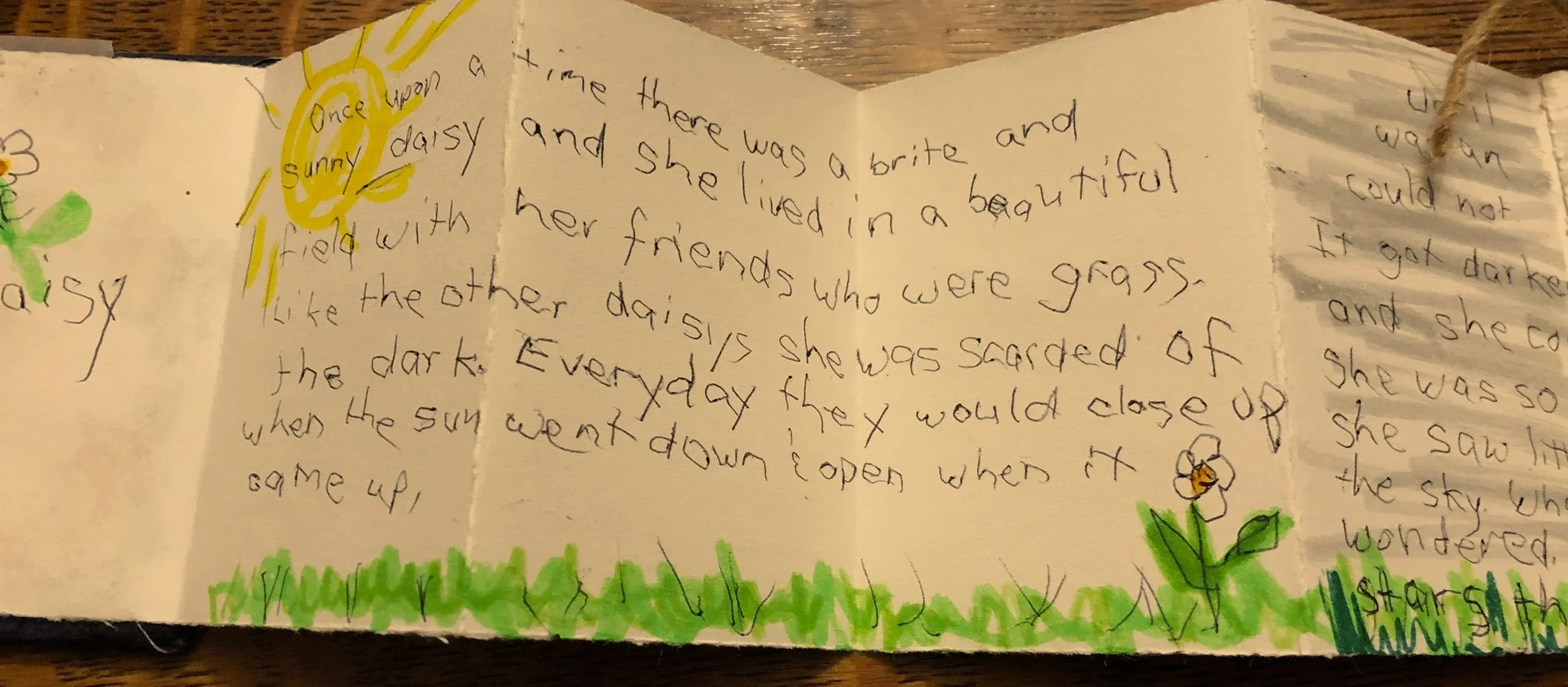
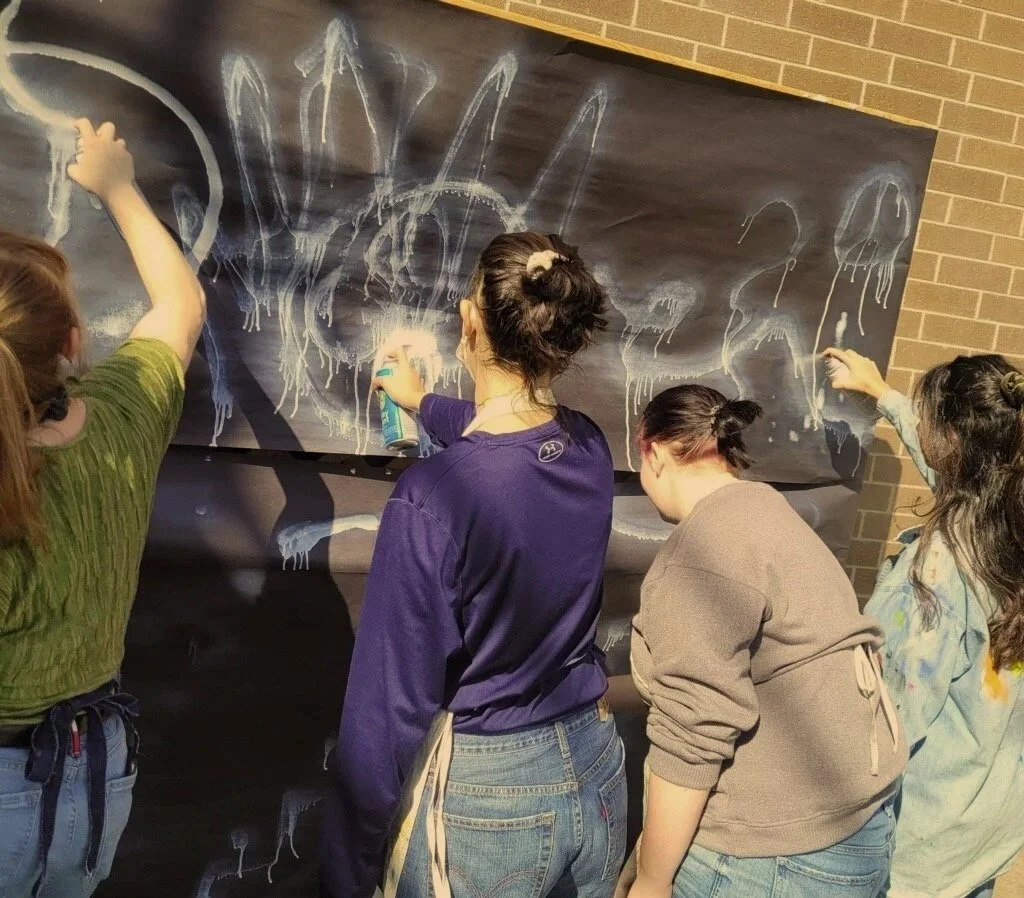
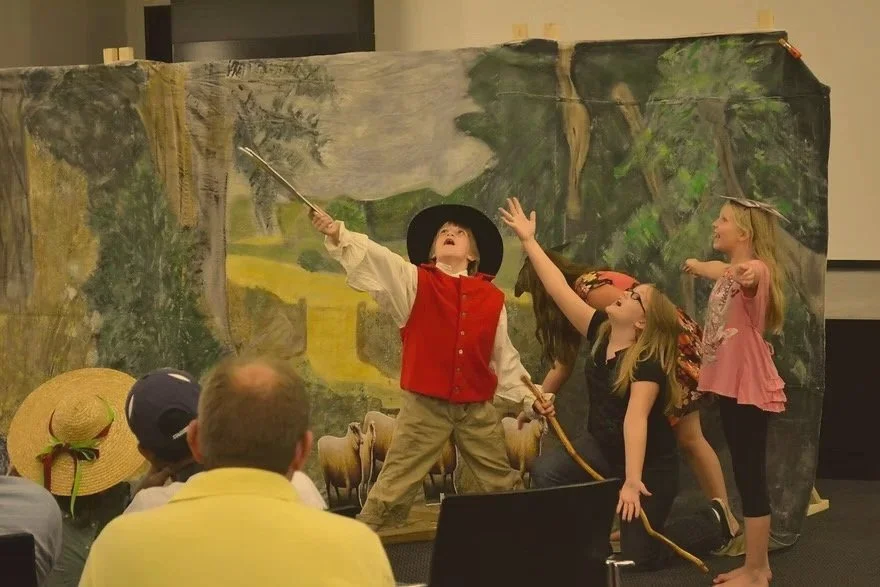
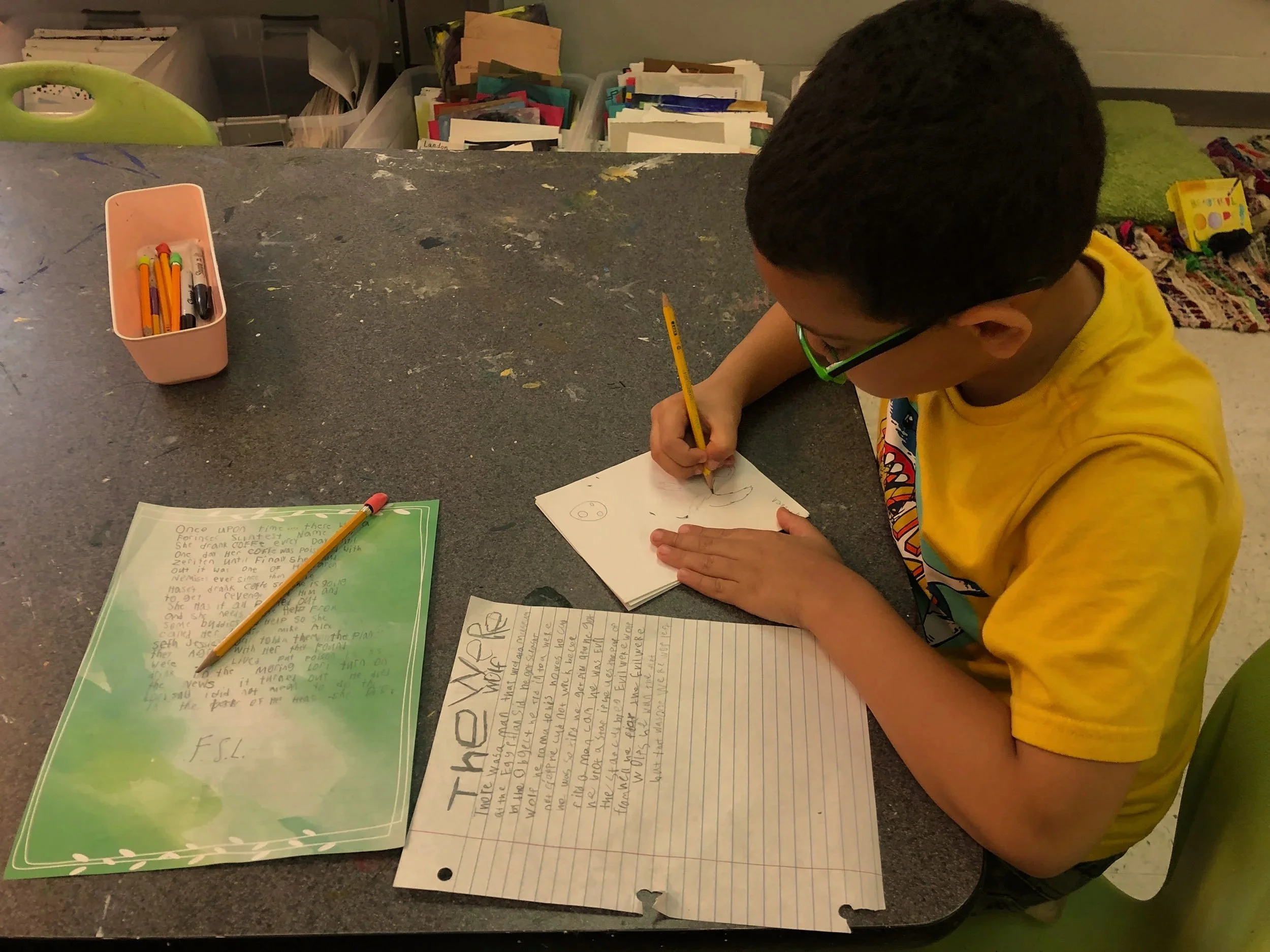
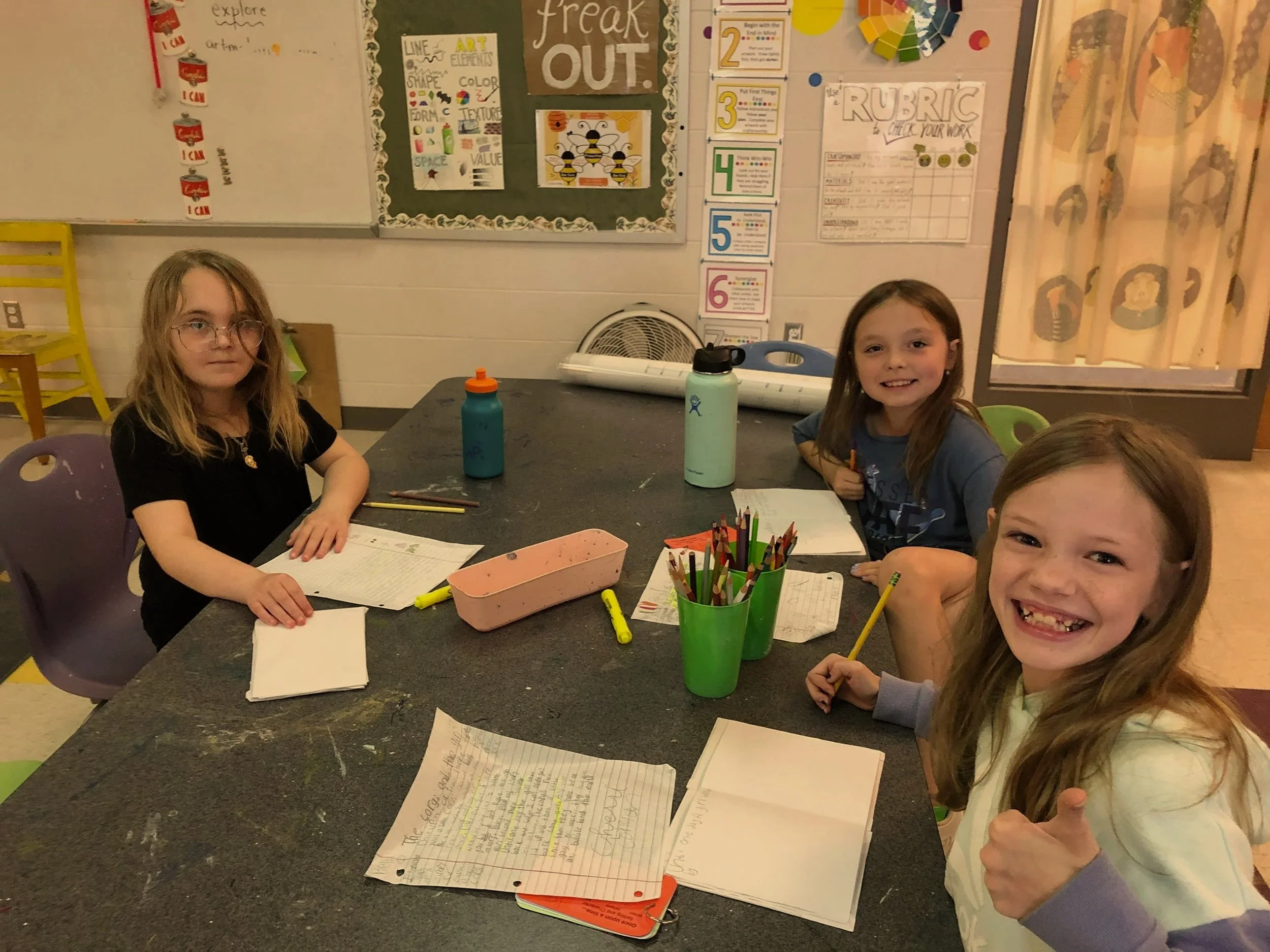
Explore selected stories from past residencies, including Shipwrecked!, Sing Me a Story, and JOY ReDefined. Every residency is developed collaboratively to suit your students, curriculum, community, and goals.
JOY ReDefined
From Disengagement to “Stubborn Idealism”
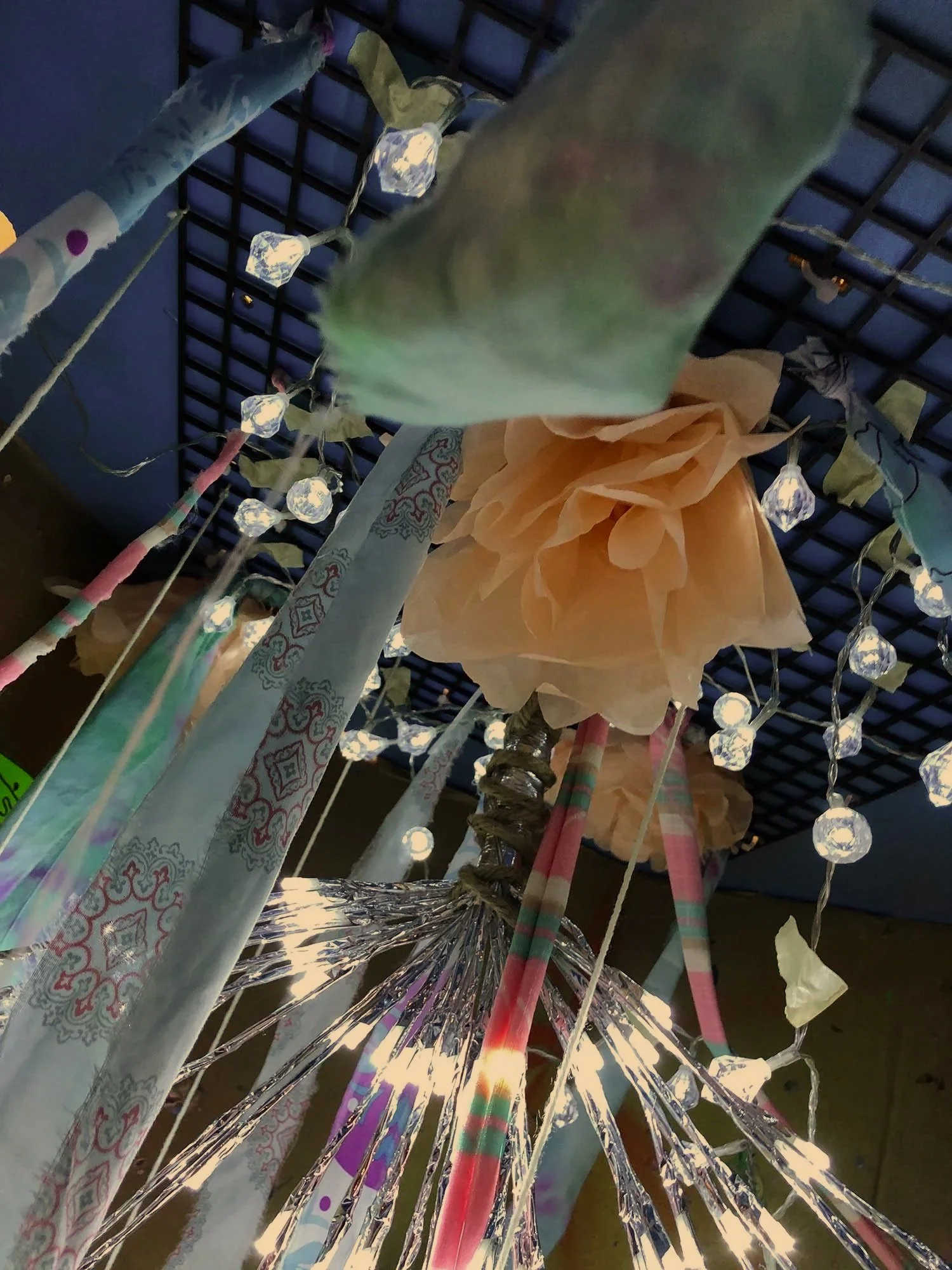
What began as a five-day arts residency with forty high-school students became something much larger.
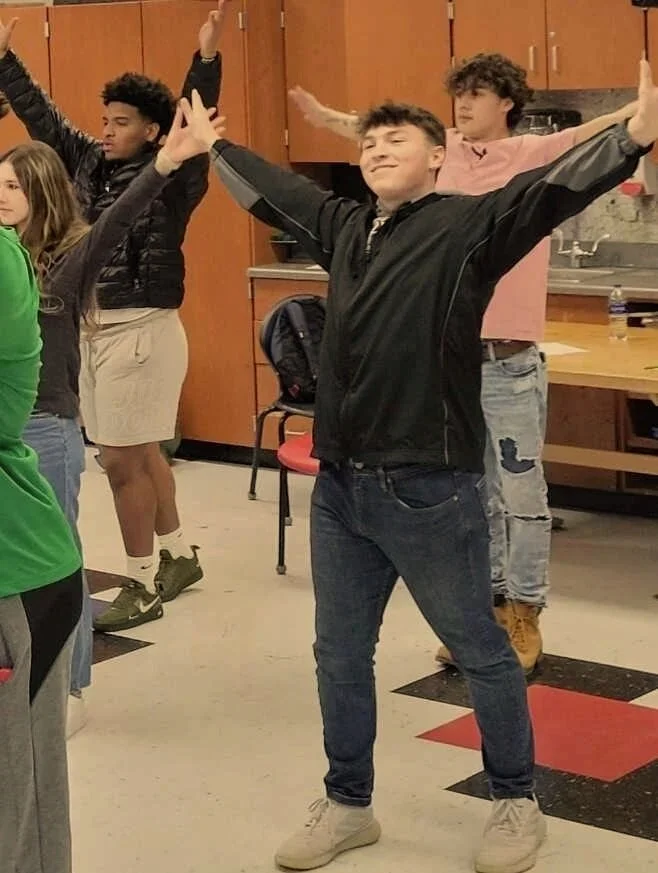
Created in collaboration with students and their art teacher in the aftermath of pandemic disruption, JOY ReDefined grew into a 200-foot immersive, student-led exhibition exploring the journey from disengagement back toward joy. As the project expanded, students stepped into leadership through visual art, dance, exhibition design, documentary filmmaking, event management, service learning, and docent work.
The project engaged an audience of more than 600—demonstrating what can happen when interdisciplinary programming responds not only to curriculum, but to the students, teachers, and communities it exists to serve.
Anatomy of a Breakthrough
Essays on the arts, learning, creativity, and human potential.
Your Questions Answered
-
Residencies are created for public and independent schools, libraries, museums, historic sites, cultural organizations, and professional development programs. They can be designed for a single classroom or grade level, a whole school, or a larger community—wherever there is an opportunity to bring people and ideas together through the arts.
-
Both. Existing programs can be selected and adapted to fit your students and curriculum, or a new residency can be built around a particular standard, subject, collection, community, challenge, or idea.
The starting point is not, “Which arts activity should we bring in?” It is, “What are you hoping your students will understand, experience, or become able to do?” Then we design from there.
-
The arts become a way into the curriculum rather than an addition to it.
Standards and learning goals are identified during planning, then woven into an experience in which students have meaningful reasons to use what they are learning. A residency might connect movement with physics, basketry with geometry and engineering, theatre with literacy and history, or visual art with science and design.
-
There are multiple formats. A residency may be a single presentation with supporting curriculum, an intensive experience over several days, or an extended project developed over weeks or months.
The length and structure depend on the number of students, complexity of the project, available time, and what you hope to accomplish.
-
Collaboration—but not another enormous project added to an already full workload.
For single-day programs, such as a storytelling presentation for Read Across America, planning requires little more than basic scheduling and program information. Multi-day residencies typically involve scheduling and one or two planning meetings to tailor the experience to your students, curriculum, and goals.
Custom projects require a deeper collaboration. Teachers and staff bring essential knowledge of their students, curriculum, community, and institutional goals. That knowledge helps shape the residency; the program design, interdisciplinary connections, artistic framework, and implementation develop from there.
-
Programs can be developed for students from early elementary through high school, with the content, artistic processes, degree of independence, and intellectual challenge adjusted accordingly. I particularly enjoy working with pre-teens and teens, when growing independence creates extraordinary possibilities for leadership, creative responsibility, and ambitious work.
Professional development and participatory programs are also available for educators and adult communities.
-
Schools and organizations may fund a residency directly or pursue support through the Tennessee Arts Commission. As a member of the Tennessee Arts Commission Teaching Artist Roster, I can help schools explore Student Ticket Subsidy grants and other available funding that may help make a project possible.
Other state, local, or private grant opportunities may also be available. When appropriate, guidance is available in identifying potential funding pathways and developing a project that aligns the artistic experience with the goals of the school or organization.
Ready to explore what’s possible?
Bring the curriculum. The challenge. The possibility.
Let’s discover where it can lead.